Български
  English
  Français
  Italiano
  Deutsch
  Español
  Português
  Polski
  Norsk bokmål
  Suomi
Suomi  Dansk
Dansk  Svenska


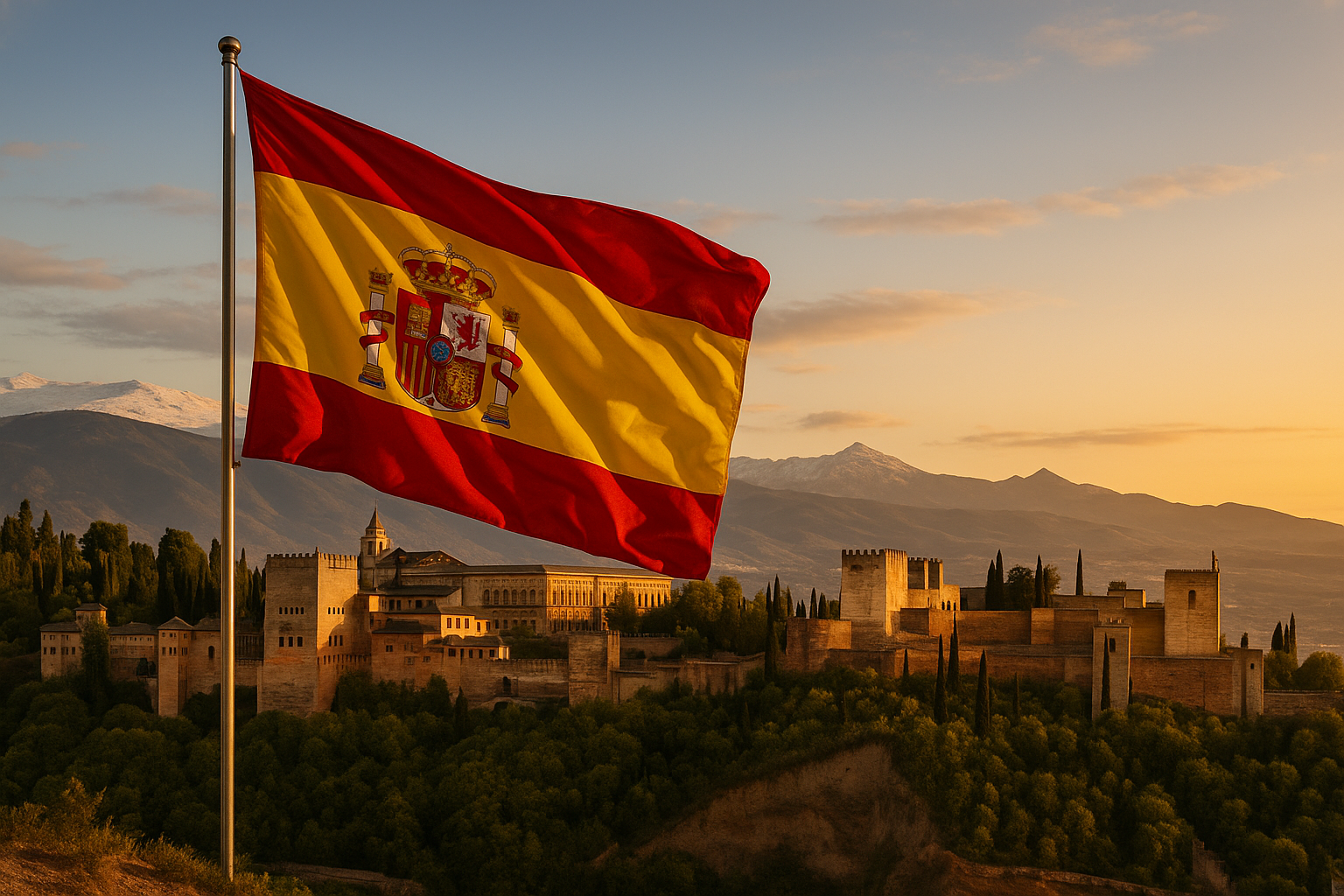
Флаг на Испания: Цветове, значение, история, произход
Испанското знаме с ярките си хоризонтални червени и жълти ленти е една от най-разпознаваемите национални емблеми на Европа. Това характерно знаме, известно на испански като “la Rojigualda”, представя векове на сложна история, национално единство и културно наследство. Еволюцията му отразява трансформацията на самата Испания от съвкупност от кралства до обединена модерна нация, като улавя същността на испанската идентичност чрез внимателно подбрани цветове и символи.
Кратко обобщение
Отличителният червено-жълто-червен дизайн на испанския флаг възниква през 1785 г., когато крал Карл III има нужда да различава испанските военни кораби от подобни кораби на други държави. Това, което започва като практично морско решение, постепенно се превръща в национален символ на Испания.
Преди 1785 г. Испания използва различни кралски знаци, включително Бургундския кръст. Цветовете на новото знаме са свързани с историческите кралства, формирали Испания. Червеното символизира Кастилия, а жълтото - Арагон. Въпреки че първоначално се използва само в морето, през 1820 г. то е официално прието за по-широка национална употреба.
През бурната история на Испания знамето се променя с всяка политическа промяна. Първата испанска република (1873-1874 г.) добавя ивици, Втората република (1931-1939 г.) въвежда лилаво, режимът на Франко (1939-1975 г.) включва императорски орел, а демократичният преход създава днешния дизайн с герб, представящ историческите кралства на Испания.
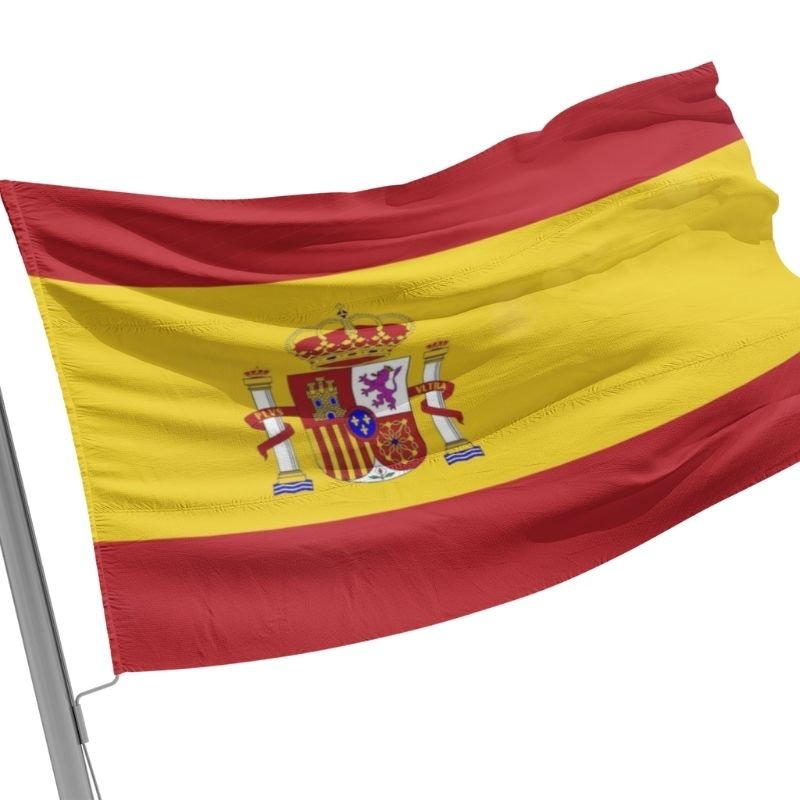
Този герб съдържа елементи, символизиращи Кастилия (замък), Леон (лъв), Арагон (вертикални ивици), Навара (вериги) и Гранада (нар). Стълбовете на Херкулес с девиз “Plus Ultra” препращат към историческата експанзия на Испания извън Европа.
Днес знамето съществува в няколко официални варианта, включително гражданско знаме (без герб), държавно знаме (с герб), военно знаме и морски флаг. Всеки от тях има точно определени цветове и пропорции, регламентирани със закон.
Произход на испанското знаме
Раждането на съвременното испанско знаме може да се проследи точно до управлението на крал Карл III в края на XVIII век. Преди 1785 г. Испания няма единно национално знаме, а вместо това използва различни кралски знамена и морски знамена в обширните си територии и военноморски флоти.
Създаването на знамето е породено от практическа необходимост, а не от националистически чувства. Крал Чарлз III се сблъсква със сериозен проблем, свързан с испанските военноморски операции. Испанските военни кораби, носещи бели знамена с кралския герб, често били бъркани с подобни знамена на други европейски сили, особено с френските военноморски знамена на Бурбоните. Това объркване понякога водело до злополучни инциденти с приятелски огън по време на морските битки.
През 1785 г., за да реши този проблем, крал Карл III нарежда на Антонио Валдес, неговия министър на флота, да предложи отличителен дизайн на знамето, който да се вижда ясно в морето и да бъде безпогрешно испански. Министърът представя на краля дванадесет различни дизайна, от които Карл III лично избира червено-жълто-червения хоризонтален модел, който познаваме днес.
Избраният дизайн включваше две хоризонтални червени ленти в горната и долната част с по-широка жълта лента в центъра. Жълтата ивица е два пъти по-широка от всяка червена ивица, което създава балансиран и отличителен външен вид. Този дизайн е официално утвърден с кралски указ на 28 май 1785 г., макар че първоначално е използван само като морски флаг за испанския флот.
Изборът на червени и жълти цветове не е произволен. Тези нюанси имат дълбоки исторически връзки с испанската монархия и територии. Червеният цвят символизирал древното кралство Кастилия, а жълтият - кралство Арагон. Заедно тези две кралства формират ядрото на обединена Испания след брака на Фердинанд II Арагонски и Изабела I Кастилска през XV век.
Това, което започва като практично морско решение, постепенно се превръща в мощен национален символ. Първоначално флагът се използва изключително от военноморските сили, а испанската армия продължава да използва традиционните си бели знамена. Въпреки това отличителният му вид и практическата му видимост постепенно доведоха до по-широкото му възприемане във всички испански институции и територии.
През 1820 г., по време на конституционния период на Испания, това знаме е официално прието с кралски указ за използване извън военноморските цели, което бележи прехода му от чисто морски флаг към истински национален флаг. Така червено-жълто-червеният модел се утвърждава като постоянна основа за всички бъдещи испански знамена, въпреки че конкретните емблеми и гербове, изобразени в него, се променят с различните режими през цялата испанска история.
По този начин произходът на испанското знаме отразява смесица от практическа необходимост и историческа символика - дизайн, избран за видимост в морето, който в крайна сметка ще стане символ на цяла една нация и нейното разнообразно наследство.
Историческа еволюция
Пътят на испанското знаме от морски флаг до универсален национален символ обхваща повече от два века на политически трансформации и отразява сложния исторически разказ на Испания в различните му варианти.
Флагове и кралски знамена преди 1785 г.
Преди Карл III да въведе червено-жълтия дизайн, Испания използва разнообразни знамена и стандарти. На Бургундски кръст (Cruz de Borgoña), диагонален червен салтир на бяло поле, служи като важен символ на испанските военни сили от 16-и век насам по време на управлението на Хабсбургите. Различните кралски домове показват свои собствени хералдически емблеми, докато различните кралства в испанското кралство поддържат различни регионални стандарти. Военноморските кораби често развяват бели знамена с кралския герб, което създава проблеми с идентификацията, довели в крайна сметка до реформата на знамето.
От морски символ до национална емблема
След въвеждането му през 1785 г. червено-жълто-червеният дизайн постепенно излиза извън рамките на военноморската употреба. През 1793 г. на крайбрежните укрепления е разрешено да поставят новия флаг, което разширява присъствието му на испанските брегове. Преходът се ускорява по време на бурния Наполеонов период, когато испанската съпротива срещу френската окупация засилва националната идентичност. Към 1820 г., по време на Либерален тригодишен период, знамето е официално определено за по-широко национално използване, като за първи път се появява на правителствени сгради и в граждански контекст.
Първата испанска република (1873-1874 г.)
По време на кратката Първа испанска република знамето е значително променено. Републиканските правителства възприемат трицветен дизайн, като добавят трета червена лента в долната част, създавайки червено-жълто-червено-жълто-червен модел. Тази отличителна версия с пет ивици символизира скъсването с монархическата традиция. Кралският герб е заменен с нови републикански емблеми, включващи регионални символи. Въпреки това животът на това републиканско знаме е кратък и продължава само до реставрацията на Бурбоните през декември 1874 г.
Период на реставрация (1874-1931)
Възстановяването на Бурбонската монархия по времето на Алфонсо XII възстановява традиционния червено-жълто-червен дизайн. През този период флагът включва кралския герб, който е поставен на видно място в центъра на жълтата лента. През тази епоха се стандартизират пропорциите на знамето и се усъвършенства дизайнът на герба. Испанското знаме става по-видимо в международен план, тъй като колониалните конфликти поставят Испания в центъра на световното внимание, особено по време на Испано-американската война от 1898 г.
Втората испанска република (1931-1939 г.)
Създаването на Втората испанска република през 1931 г. води до още една значителна промяна. Републиканското правителство приема трицветно знаме с хоризонтални ивици в червено, жълто и лилаво (на мястото на долната червена ивица). Това характерно републиканско знаме представлява прогресивни идеали и скъсване с монархическата символика, като лилавият цвят е в чест на историческите общности на Кастилия. Гербът отново е променен, така че да включва републикански символи, включително замък, лъв и други регионални емблеми, разположени в кръгла форма.
Епохата на Франко (1939-1975 г.)
След Гражданската война в Испания националистическият режим на Франсиско Франко възстановява традиционния червено-жълто-червен модел, но въвежда отличителен герб с Имперски орел (Águila de San Juan) зад щита. Този дизайн, свързан с католическите монарси Фердинанд и Изабела, включва различни елементи, включително стълбовете на Херкулес с девиза “Plus Ultra”, ярема и стрелите на фалангисткото движение и други традиционни испански емблеми. Тази версия на знамето става силно свързана с авторитарния режим на Франко и неговата национално-католическа идеология.
Демократичен преход и модерна епоха (1975 г. - настояще)
С прехода на Испания към демокрация след смъртта на Франко през 1975 г. знамето претърпява последната си голяма промяна. Сегашният дизайн е официално приет през 1981 г., като запазва традиционната червено-жълто-червена шарка и заменя орела на Франко с настоящия герб. Този съвременен герб включва изображения на Кастилия, Леон, Арагон, Навара и Гранада, увенчани с испанската кралска корона. Стълбовете на Херкулес остават, но фашистките символи са премахнати, като е създаден дизайн, който почита историческите кралства на Испания и същевременно възприема демократичните ценности.
По време на тези трансформации основният червено-жълто-червен модел, установен от Карл III, се запазва като основа на испанската национална идентичност, въпреки политическите сътресения и смяната на режимите, които характеризират съвременната история на Испания. Всяка модификация на знамето е отразявала политическата идеология и националната визия на съответната епоха, което превръща испанското знаме не само в национален символ, но и във визуална хроника на историческата еволюция на Испания.
Символика и дизайн
Характерният външен вид на испанското знаме носи дълбоко символично значение, като всеки елемент е внимателно подбран, за да представя аспекти от историческото наследство и националната идентичност на Испания.
Символика на цветовете
Червеният и жълтият цвят, които определят испанското знаме, са свързани със значими исторически асоциации, въпреки че официалното им тълкуване остава преднамерено отворено. На наситено червено традиционно се свързва с качествата на доблестта, силата и кръвта, пролята в защита на нацията през вековете на конфликти. Сайтът златисто жълто символизира щедростта, справедливостта и историческото богатство на Испания по време на нейната имперска епоха.
Няколко теории обясняват произхода на тези цветове в испанската хералдика. Най-разпространената от тях ги свързва с историческите кралства, формирали съвременна Испания. Жълтото произлиза от златния фон на герба на Кастилия, а червеното - от полето на емблемата на Леон. Друга теория свързва цветовете с короната на Арагон, чийто хералдически символ е включвал четири червени ленти върху златен щит.
Интересно е, че Чарлз III избира тези цветове най-вече заради практическата им видимост в морето, а не заради символичните им асоциации. Комбинацията от червено и жълто създава висок контраст, който се вижда от големи разстояния в морски условия, изпълнявайки първоначалната практическа цел за разграничаване на испанските кораби от корабите на други държави.
Гербът
Сегашният герб на Испания, разположен върху жълтата лента, служи като сложно хералдично обобщение на испанската история. Приет през 1981 г. и леко променен през 2014 г., той съдържа елементи, представящи различните исторически кралства, които се обединяват, за да образуват Испания:
- Сайтът замък (горната лява четвърт) представлява Кралство Кастилия
- Сайтът необуздан лъв (горната дясна четвърт) символизира Кралство Леон
- Сайтът вертикални червени и златни ленти (долу вляво) представляват короната на Арагон
- Сайтът вериги (долу вдясно) означава Кралство Навара
- Сайтът нар в долната част на центъра е изобразено Кралство Гранада
Около тези квартали гербът включва Стълбовете на Херкулес покрит със знаме, носещо мотото “Plus Ultra” ("По-нататък"), което препраща към историческата експанзия на Испания в Америка и отвъд традиционните граници на класическия свят. На върха на щита е поставена кралска корона, символизираща конституционната монархия на Испания.
Пропорции и спецификации на флага
Испанското знаме следва точно определени от закона спецификации. Пропорциите на знамето са 2:3, което означава, че ширината му е две трети от дължината му. Жълтата ивица заема половината от ширината на знамето, а всяка червена ивица - една четвърт. Гербът е разположен леко към страната на вдигането на знамето в центъра на жълтата лента.
Официалните разпоредби налагат точни спецификации на цветовете, като се използва системата за съответствие Pantone: червеното отговаря на Pantone 186C, а жълтото - на Pantone 116C. Тези спецификации осигуряват последователност във всички официални представяния на знамето.
Варианти на флага
В Испания се използват няколко официални варианта на националното знаме:
- Сайтът гражданско знаме (без герба) е общата версия, използвана от цивилните граждани и за повечето неправителствени цели.
- Сайтът държавен флаг (с герба) представлява официалните държавни институции и испанската държава
- Сайтът военно знаме има различна, издължена версия на герба и се използва изключително от военните.
- Сайтът морски прапоршчик добавя по-светъл син цвят към герба, за да се отличават военните кораби
Гражданското знаме без герба остава юридически признато като официална версия, а не като непълно знаме - уникално решение сред европейските нации, които обикновено смятат своите емблеми за неразделна част от знамената си.
Регионални тълкувания
Макар че официалната символика остава постоянна, различните региони в Испания понякога придават различно значение на националните цветове. В Каталуния някои исторически свързват червеното и жълтото с цветовете на регионалното знаме, като твърдят, че националното знаме произлиза от каталунската хералдика. Това тълкуване отразява сложната връзка между националната идентичност и регионалната автономия в различните територии на Испания.
Внимателният баланс на историческите елементи в испанското знаме създава символ, който признава монархическите традиции на Испания и същевременно приема нейната модерна демократична идентичност. Дизайнът изразява както приемствеността с миналото на Испания, така и нейната еволюция в съвременна европейска нация, превръщайки го в жив документ на испанската история, претворен в плат.